
 +91 8423662366
 Apply Now
Contents
- Title
If you look at any career guide from 2024 or 2025, data science will be somewhere in the top five. Almost every industry, from banking to agriculture, is trying to hire people who understand data.
So students enroll. They study for three or four years. They sit through lectures on algorithms, probability distributions, and model accuracy. They pass and graduate.
Then comes your first job hunt.
The interviews don't go the way you planned. Recruiters ask about things that never came up in class. Deployment pipelines. Handling API failures in production. Explaining a regression output to someone who has never heard the word "variance." Some students freeze. Others bluff. Most walk out wondering where the disconnect happened.
The uncomfortable truth is that many programs, regardless of BSc Data Science course fees or course duration, are still teaching to an older version of the job. The industry moved on, but the curricula didn't. An online BSc degree in India today needs to do a lot more than hand out theory.

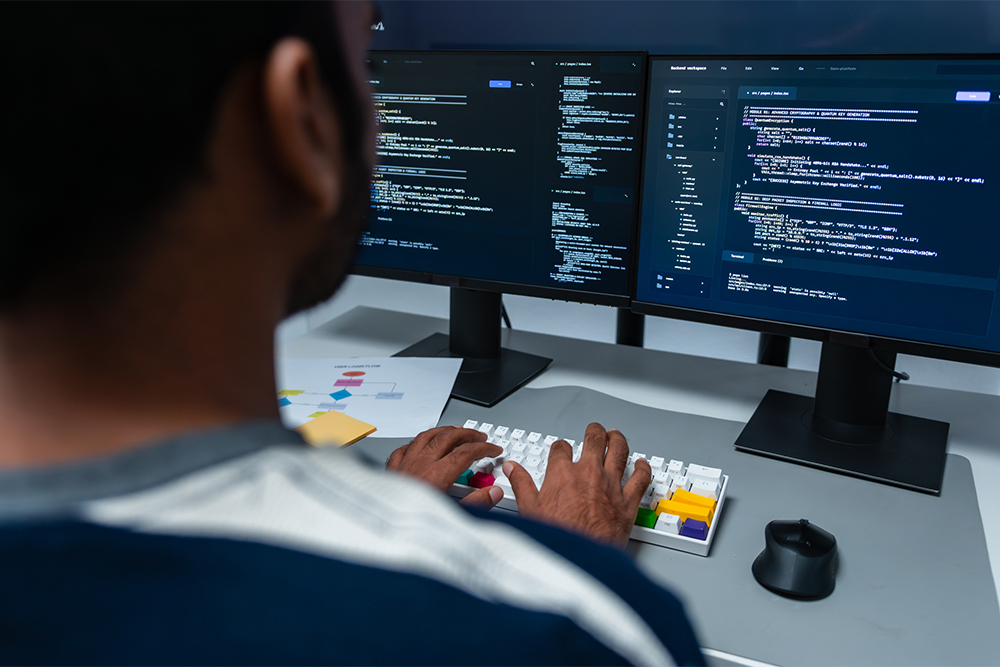
A student can ace an exam on decision trees and still have no idea what to do when a client's dataset has 40% missing values, inconsistent column formats, and three different date conventions in the same column. That scenario, by the way, is Tuesday for most working data scientists.
Real data is stubborn. Classroom data is not. That gap matters enormously.
Ask a fresh graduate about support vector machines, and they can walk you through it. Ask them to push a trained model to an AWS environment and set up basic monitoring, and the room goes quiet.
These are some of the basic tools you need to know:
Most entry-level roles in 2025 and 2026 demand at least two or three of these skills. Yet many BSc programs still treat them as optional extras.
Here's the thing nobody puts in a course brochure: a huge part of being good at data science is knowing how to explain what you found.
Not to other data scientists. To the product manager. To the VP of sales. To the stakeholder who needs to make a decision by Friday and does not care what your semester score was.
Employers value these soft skills very highly:
They are also the skills most likely to get zero dedicated attention in a traditional classroom. Students graduate technically literate and communication-shy, which is a problem in actual workplaces.
The hiring landscape shifted fast. Here's what companies are genuinely screening for right now, across both startups and larger organizations:
| Area | Key skills | Why it matters |
| Programming | Python, SQL, basic R | Required for almost every data role |
| Machine Learning | Regression, clustering, model building | Core to predictive analytics work |
| Advanced AI | NLP, deep learning, GenAI basics | Used across modern tech products |
| Data Handling | Pandas, NumPy, data cleaning | Most job time goes into data prep |
| Cloud & Big Data | AWS or Azure, Spark basics | Needed for real world deployment |
| Math Foundation | Statistics, probability | Helps validate models and insights |
| Visualisation | Tableau or Power BI | Converts data into decisions |
| Business Skills | Storytelling, domain understanding | Connects analysis to outcomes |
| Emerging Skills | MLOps, data ethics | Growing hiring priority |
Companies are seeking individuals who understand how these pieces fit together. They want someone who can build a model, deploy it, monitor it, and then explain what it's doing in plain language
Not every program is stuck. Newer and applied learning programs are focusing on teaching actual skills that you need on day one of a real job.
That shift changes everything about how a program is structured.
Programs like the BITS Pilani Digital BSc in AI and Data Science are built around this model. The course structure is designed to take a complete beginner and build genuine, job-ready capability across programming, machine learning, advanced AI, and the business skills that employers keep asking for.
Before signing up anywhere, it's worth noting these aspects in a BSc program:
If a program cannot clearly show most of these, the gap between graduation and job readiness will show up.
Hiring managers are impressed by what the candidate can actually do in the room. Students who go through programs built around applied skills, real problem solving, and honest career preparation come out with something more valuable than a degree. They come job-out ready. The goal was never just to finish a degree. It was always to learn genuine skills for the actual job market.